


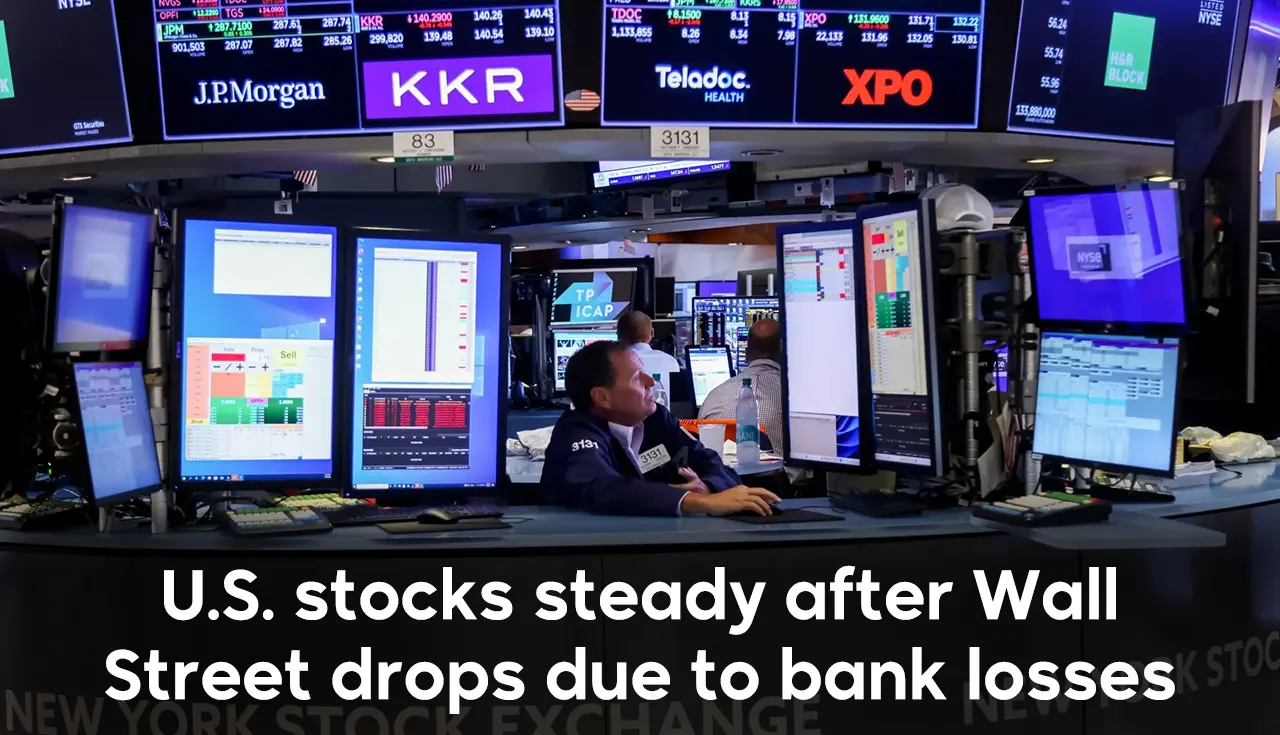
U.S. stock futures slipped slightly today after Wall Street pulled back from record highs, pressured by losses in JPMorgan shares after the bank’s results failed to meet expectations. Despite the release of benign inflation data, the figures did not materially alter interest-rate expectations, as markets continue to anticipate that the Federal Reserve will keep rates unchanged at its late January meeting.
As investors await earnings from major banks, caution remained the dominant theme in markets. Attention is focused on key economic data due on Wednesday, particularly producer inflation figures and corporate earnings. Upcoming reports from Bank of America, Wells Fargo, and Citigroup may offer broader insight into the health of the U.S. economy amid ongoing volatility.
Recent data showed annual inflation holding steady at 2.7% in December, in line with expectations, while core inflation came in at 2.6%. This confirmed the absence of major surprises that could shift the near term outlook for monetary policy.
Rising geopolitical tensions especially involving Iran as well as frictions between former President Donald Trump and the Federal Reserve weighed on market sentiment. Trump’s recent comments on protests in Iran and his remarks about the Fed fueled concerns over potential political interference in central bank decisions.
Equity markets saw declines across several sectors, led by the financial sector, which was hit by JPMorgan’s losses. The bank warned that recent proposals to cap credit card interest rates could significantly harm the economy. These warnings triggered selloffs in financial stocks, including Visa and American Express.
The financial sector led the downturn after JPMorgan officials raised fresh concerns over Trump’s proposal to impose a cap on credit card interest rates. At the same time, December U.S. inflation data reinforced expectations that the Federal Reserve will keep rates steady in the coming period.
Trump’s proposal to cap credit-card interest rates at 10% would directly impact financial companies’ profits. Senior JPMorgan executives, including CEO Jamie Dimon, warned that the plan could severely hurt consumers. This outlook prompted investors to dump financial stocks, pushing Visa and Mastercard shares down 4.5% and 3.8%, respectively.
JPMorgan shares fell 4.2% despite reporting better than expected quarterly results, as weaker investment banking revenues weighed on confidence. Major indices also declined, with the Dow Jones Industrial Average down 0.8%, or 398.21 points, while the S&P 500 slipped 0.19% and the Nasdaq Composite fell 0.10%.
On the earnings front, JPMorgan’s results unofficially kicked off the U.S. fourth quarter earnings season. Expectations remain positive for upcoming reports from other major banks. Despite declines in some stocks such as Delta Air Lines, overall earnings are expected to be solid, with the potential for upward revisions to 2026 forecasts.
Meanwhile, digital asset markets continued their upward trend. Bitcoin posted a notable jump following news that Strategy purchased about $1.3 billion worth of Bitcoin, boosting sentiment across the crypto market, with Ethereum and XRP also recording strong gains.
Stay informed about global markets through our previous analyses. and Now, you can also benefit from LDN company services via the LDN Global Markets trading platform.



Thank you, I’ve just been looking for info about this topic for ages and yours is the best I have discovered till now. But, what in regards to the conclusion? Are you sure about the supply?